
A knee plan built around your anatomy and your goals
From injections and bracing to Mako robotic-assisted partial and total knee replacement.
The full range of knee care
- Diagnostics — X-ray, CT, and MRI to understand exactly what is causing your pain
- Non-surgical care — cortisone, gel, and PRP injections; bracing and knee sleeves; physical therapy
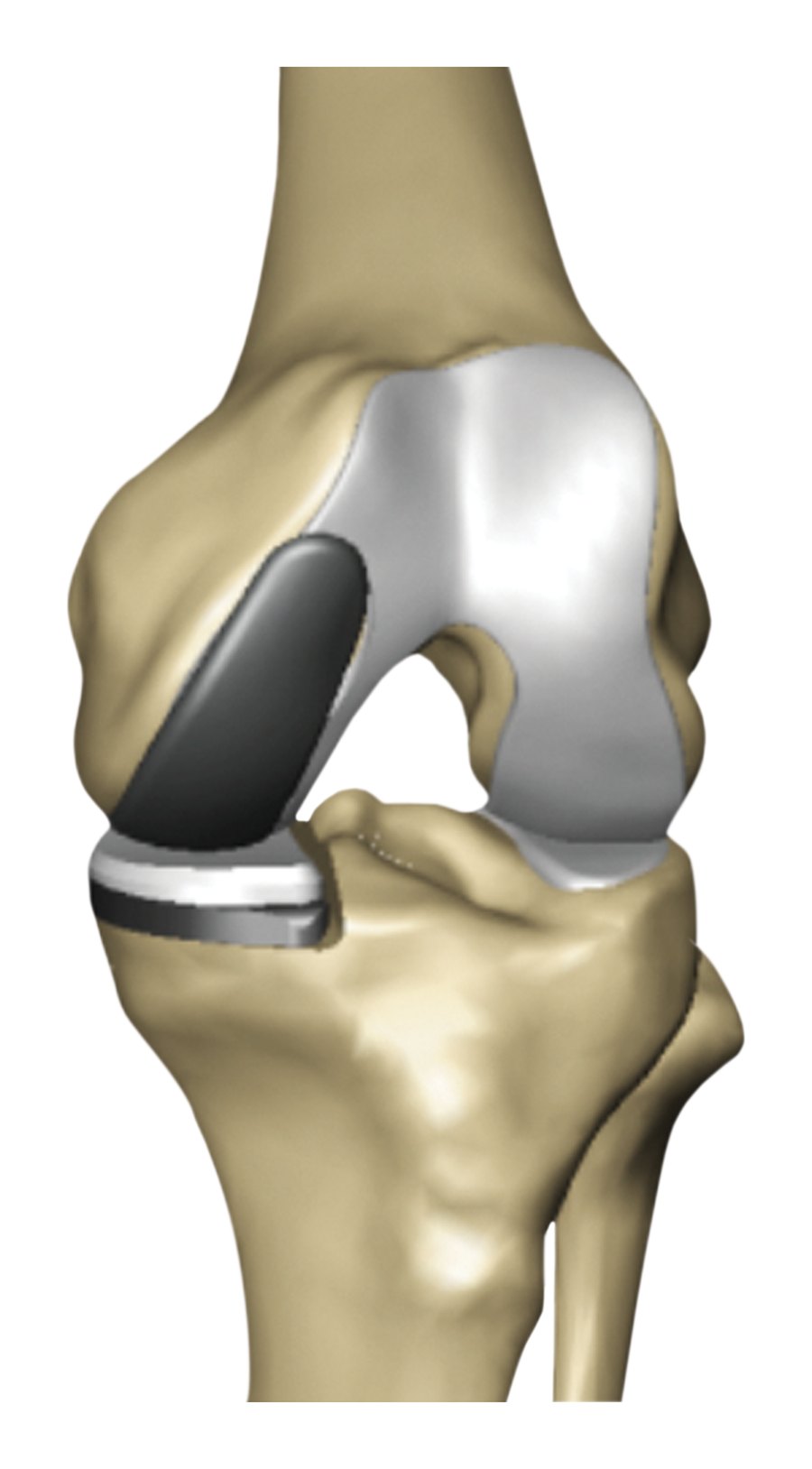
- Partial knee replacement — replace only the worn compartment, preserve your ligaments
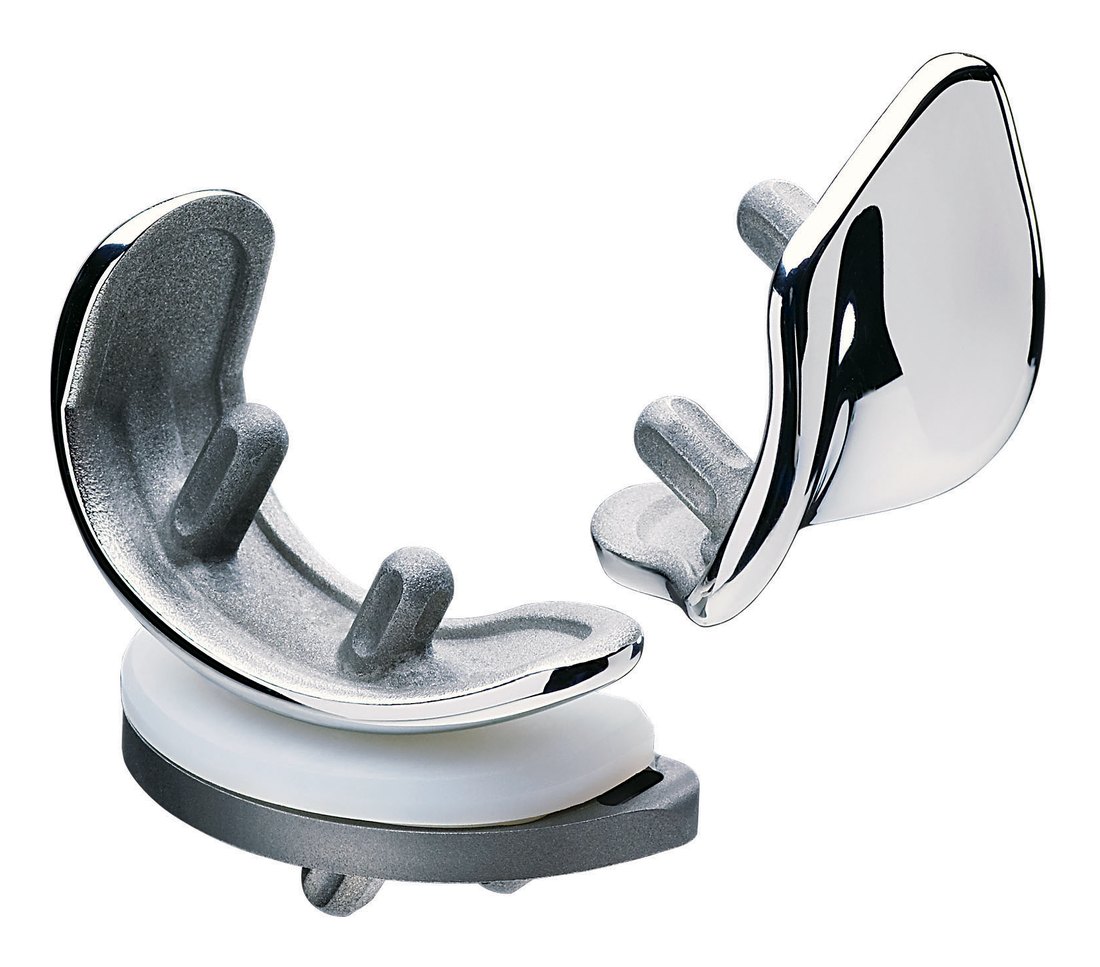
- Total knee replacement — Mako robotic-assisted, quadriceps-sparing, kinematically aligned
- Revision knee replacement — for knees replaced years ago that have worn or loosened
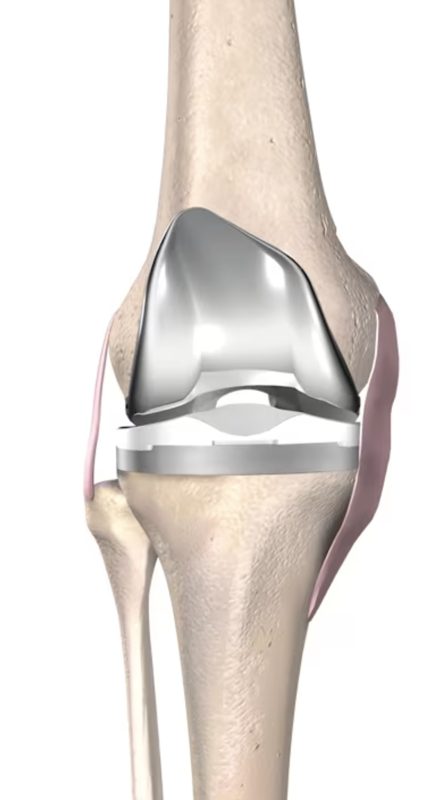
Robotic precision. A kinematic, natural-feeling knee.
Midvastus approach
Instead of cutting the quadriceps tendon, Dr. MacNeille works between muscle fibers — studies show earlier leg control, less early pain, and faster discharge.
The knee you were born with
Rather than forcing every knee to an artificial average, your implant is aligned to your natural anatomy and ligament tension — the goal is a knee you forget about.
Within a millimeter of plan
Published studies show over 91% of Mako bone cuts land within 1 mm of the plan — accuracy that supports balanced ligaments and a natural feel.
From worn joint to new joint
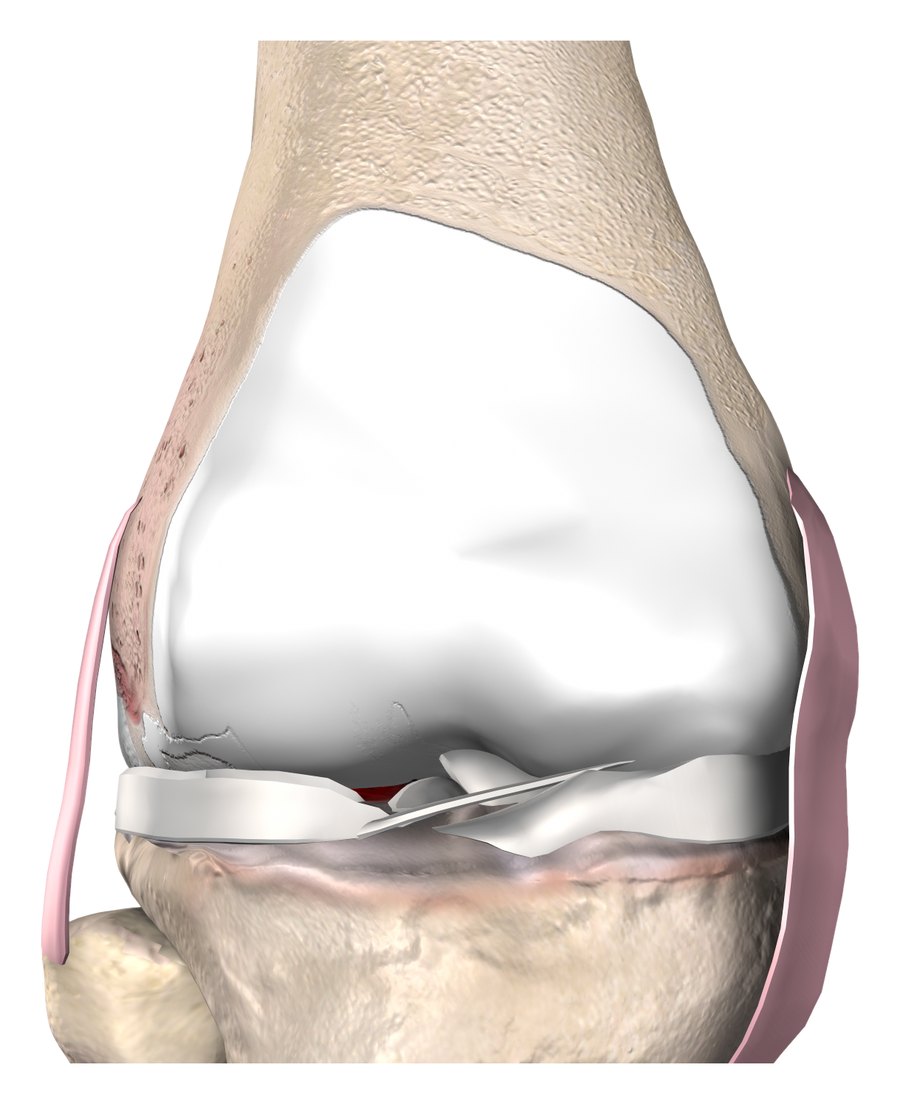
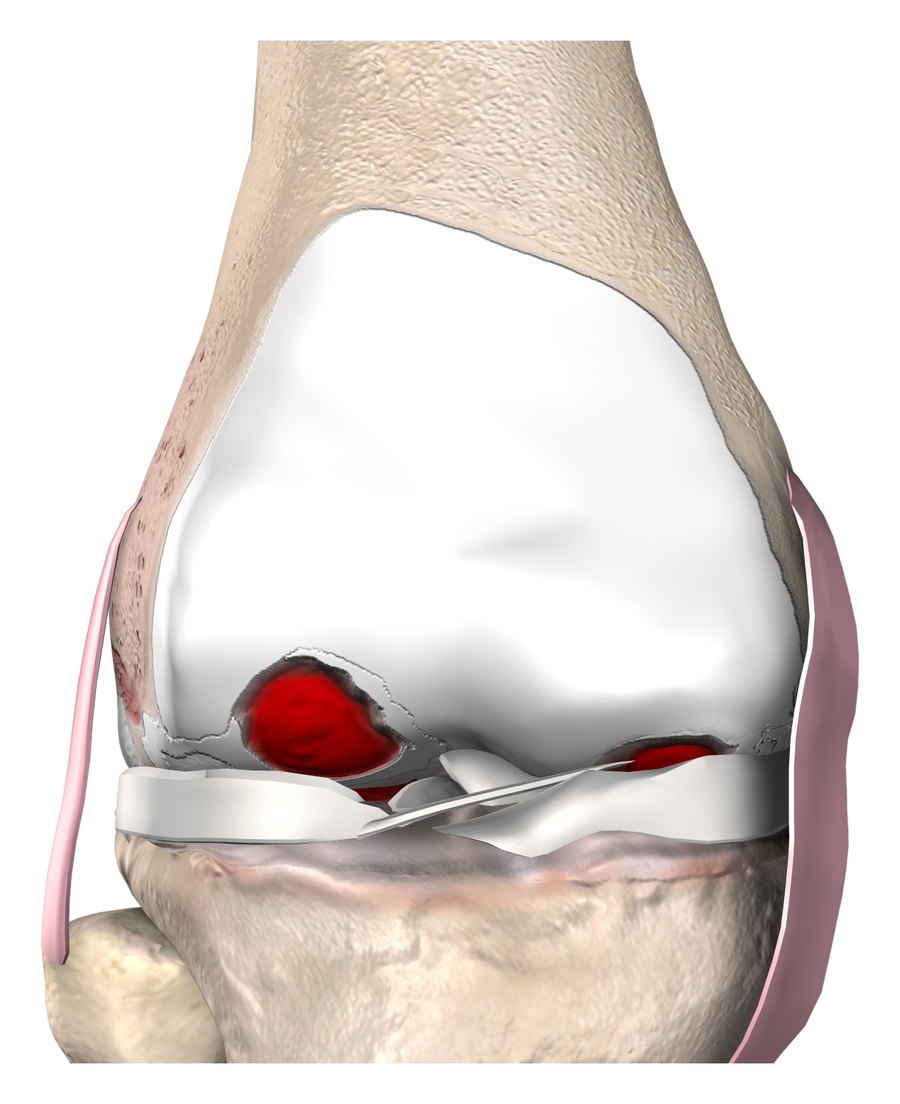
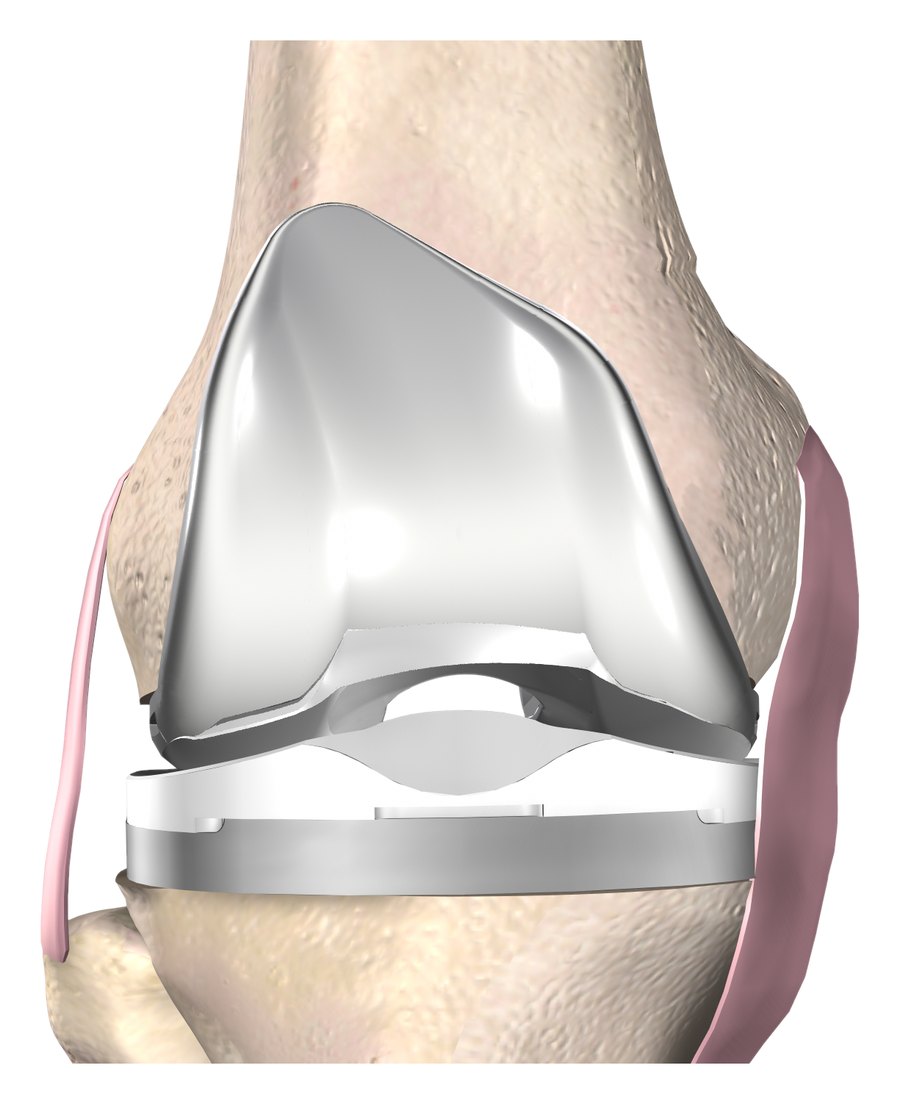
Arthritis wears through the cartilage that lets your knee glide. A knee replacement resurfaces the worn joint — only one compartment for a partial, or the whole surface for a total knee.
Knee education articles
Robotic-Assisted Knee Replacement
What the Mako robot actually does — and the evidence on pain and recovery.
Read article