
The Quadriceps-Sparing Midvastus Approach
Written and medically reviewed by Rhett MacNeille, MD · Last reviewed August 24, 2026
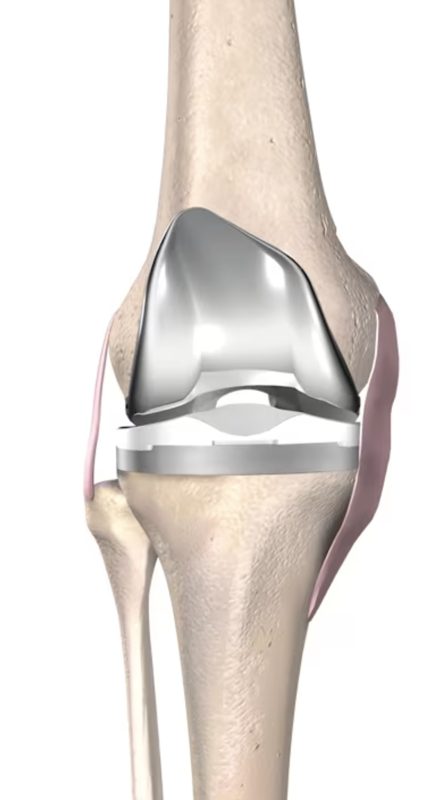
When people compare knee replacement surgeons, they often ask about the implant or the robot. But one of the most important choices happens in the first few minutes of surgery: how the surgeon gets into the knee. Dr. MacNeille performs total knee replacement through a quadriceps-sparing midvastus approach, a technique designed to protect the most important muscle in your recovery.
What Is the Midvastus Approach?
The quadriceps is the big muscle on the front of your thigh. It straightens your knee, and it is the engine that powers standing, walking, and climbing stairs after surgery.
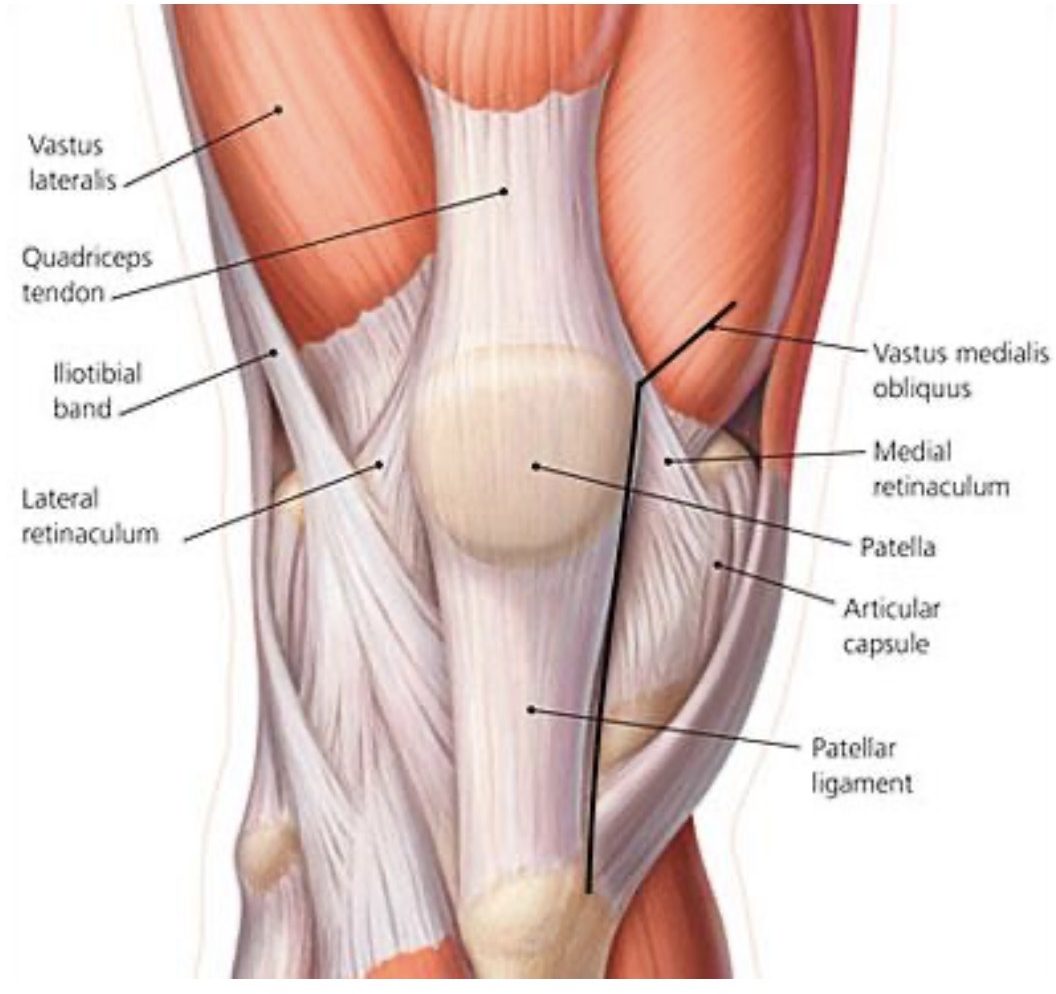
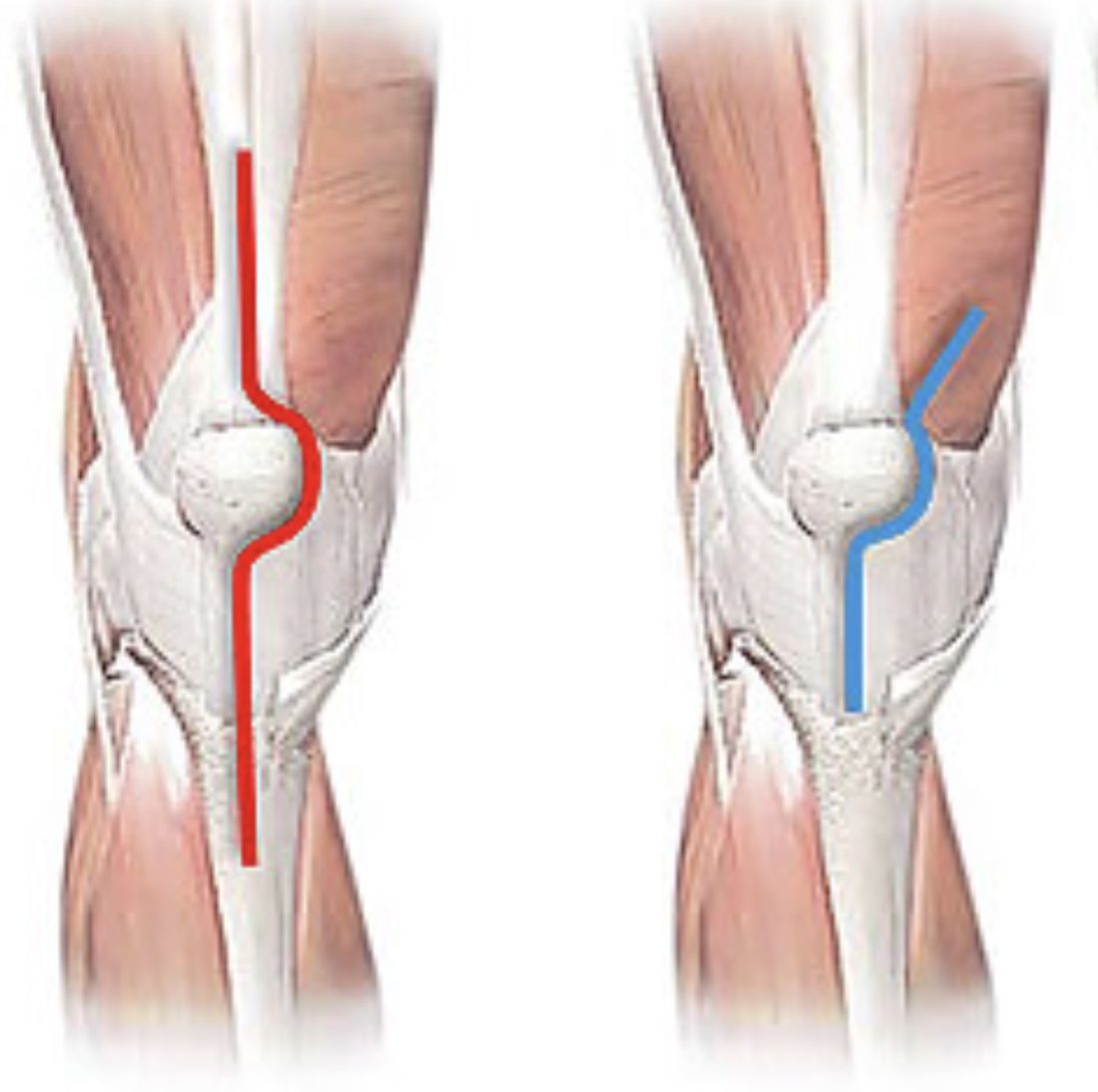
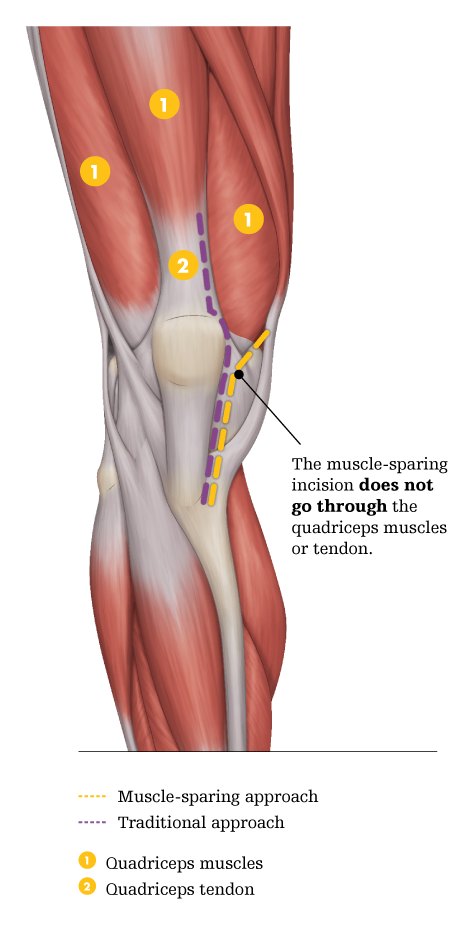
- In the traditional "medial parapatellar" approach, the surgeon cuts through part of the quadriceps tendon to reach the joint.
- In the midvastus approach, the surgeon instead gently separates the fibers of one section of the muscle, leaving the quadriceps tendon intact.
Same knee replacement — but a different, more muscle-friendly doorway.
Why Sparing the Tendon Matters
Because the tendon is not cut, the quadriceps can get back to work sooner. A 2022 prospective study in the Journal of Orthopedic Research and Therapy found that patients with a midvastus approach could perform a straight-leg raise about 1 day after surgery, compared to more than 4 days with the traditional approach. They also had less "lag" when straightening the knee and went home from the hospital sooner.
The straight-leg raise may sound like a small thing, but it is a key early milestone. It means your quadriceps is firing and you can control your leg — which makes walking and therapy safer and easier.
What Larger Studies Show
Individual studies are helpful, but pooled research tells a fuller story:
- A 2012 meta-analysis in The Knee, combining 18 studies of over 1,000 patients, found the midvastus approach gave better knee bending in the first week, less early pain, and fewer additional soft-tissue releases during surgery — with no increase in complications.
- A 2014 meta-analysis in PLOS ONE of 18 randomized trials found less pain in the first 2 weeks and better early range of motion with the midvastus approach. By 6 weeks and beyond, both groups did equally well.
In other words, the biggest benefit is a smoother, more comfortable start — and those early weeks matter for building motion and confidence.
Dr. MacNeille's Approach
Dr. MacNeille uses the quadriceps-sparing midvastus approach for his total knee replacements because it fits his overall philosophy: treat the soft tissues gently, protect the muscle that drives your recovery, and give your new knee the best possible start.
If you would like to learn whether this approach is right for your knee, contact our office to schedule a visit.
References
- Alcelik I, Sukeik M, Pollock R, et al. Comparing the mid-vastus and medial parapatellar approaches in total knee arthroplasty: a meta-analysis of short term outcomes. The Knee, 2012.
- Xu J, Lin Y, Tong X, Wang S. Minimally invasive midvastus versus standard parapatellar approach in total knee arthroplasty: a meta-analysis of randomized controlled trials. PLOS ONE, 2014.
- Sinha S, et al. Comparison of functional outcome after total knee arthroplasty by medial parapatellar approach versus midvastus approach: a prospective observational study. Journal of Orthopedic Research and Therapy, 2022.
This article is for general education and is not a substitute for medical advice.
Watch: see it for yourself


Recovery videos courtesy of Dr. Lige Kaplan — Dr. MacNeille’s fellowship director and mentor — whose patients underwent the same minimally invasive techniques Dr. MacNeille uses today. Robotics videos and patient stories from Stryker and partner channels. We will be adding videos of our own patients over time. Browse the full video library →
Ready to talk about your hip or knee? Request an appointment and our team will contact you within 1–2 business days.