
Hip pain relief, from injections to robotic replacement
Dr. MacNeille offers the full range of hip care — always starting with the least invasive option that will work.
Surgery is the last rung, not the first
- Accurate diagnosis — exam plus X-ray, CT, or MRI to find the true source of your pain
- Non-operative care — activity modification, physical therapy referral, and image-guided injections
- Total hip replacement — Mako robotic-assisted through a minimally invasive direct superior approach
- Revision hip replacement — expert care for hips replaced years ago that have worn or loosened
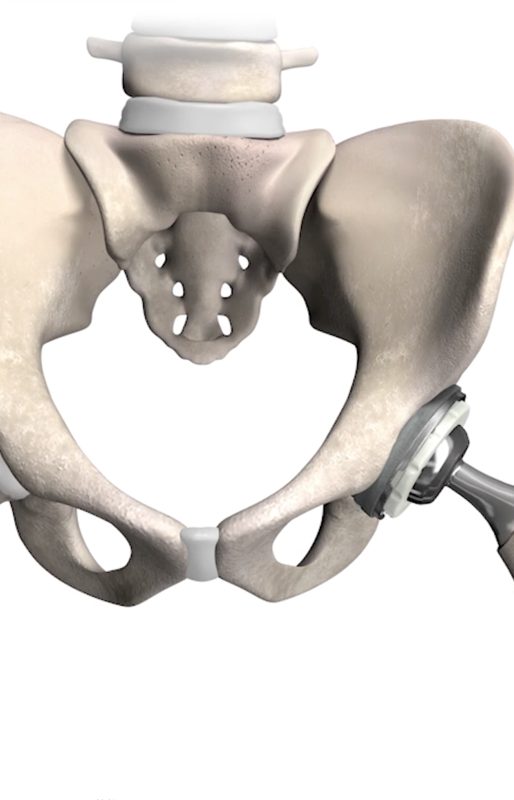
The direct superior difference
A muscle-sparing approach, executed with Mako robotic precision.
IT band untouched
The direct superior approach works between tissues rather than through them — preserving the IT band and most of the short rotator muscles that stabilize your hip.
0.3% registry dislocation rate
Registry data cited in a 2024 systematic review reported a 0.3% dislocation rate with this approach — and most patients need no formal hip precautions after surgery.
Planned from your CT scan
Cup position, leg length, and offset are planned on a 3D model of your anatomy and executed with robotic accuracy — within about 2 degrees of plan in published studies.
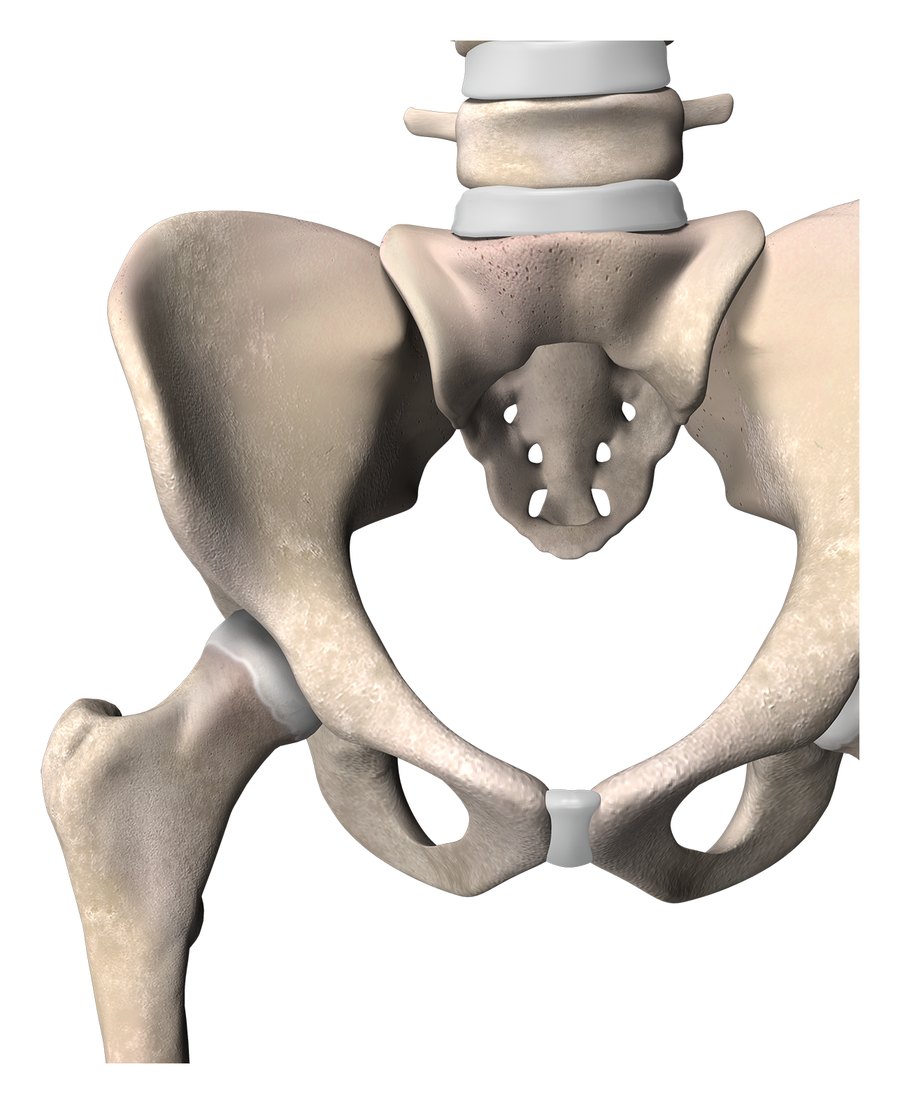
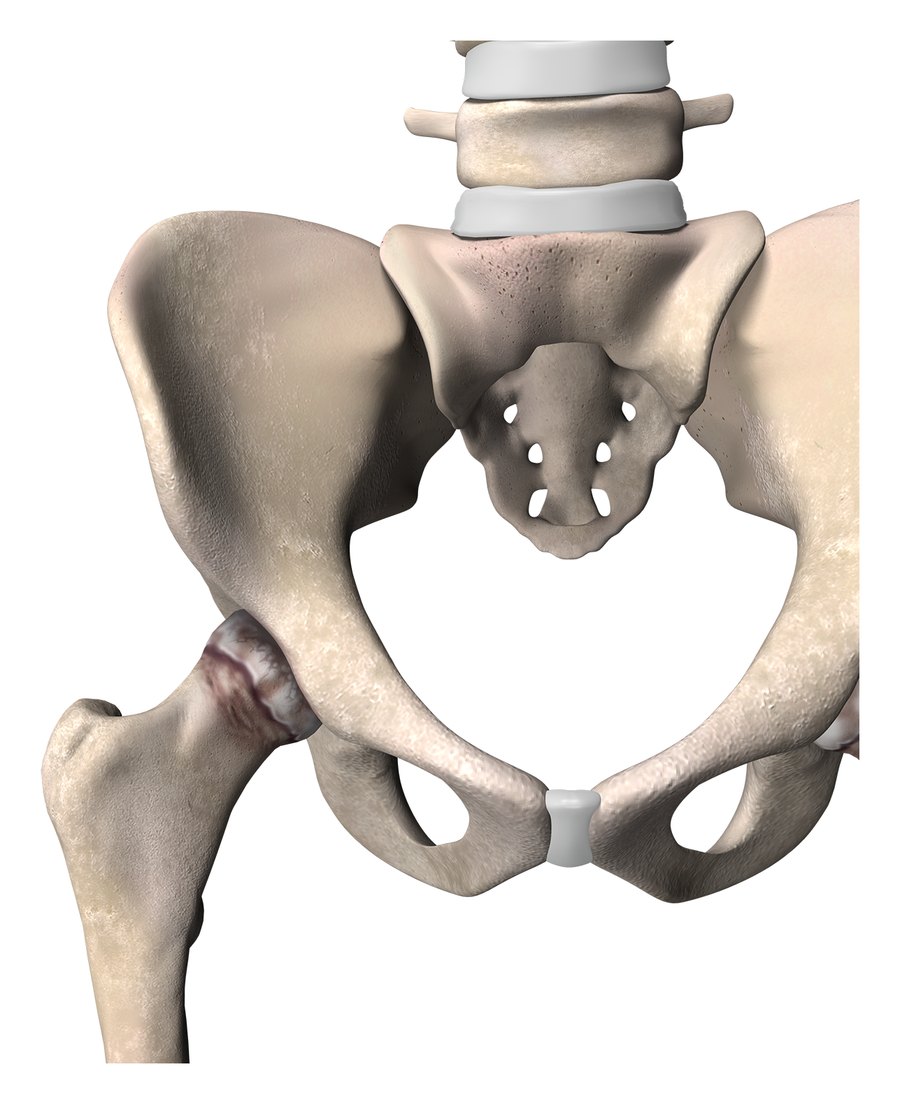
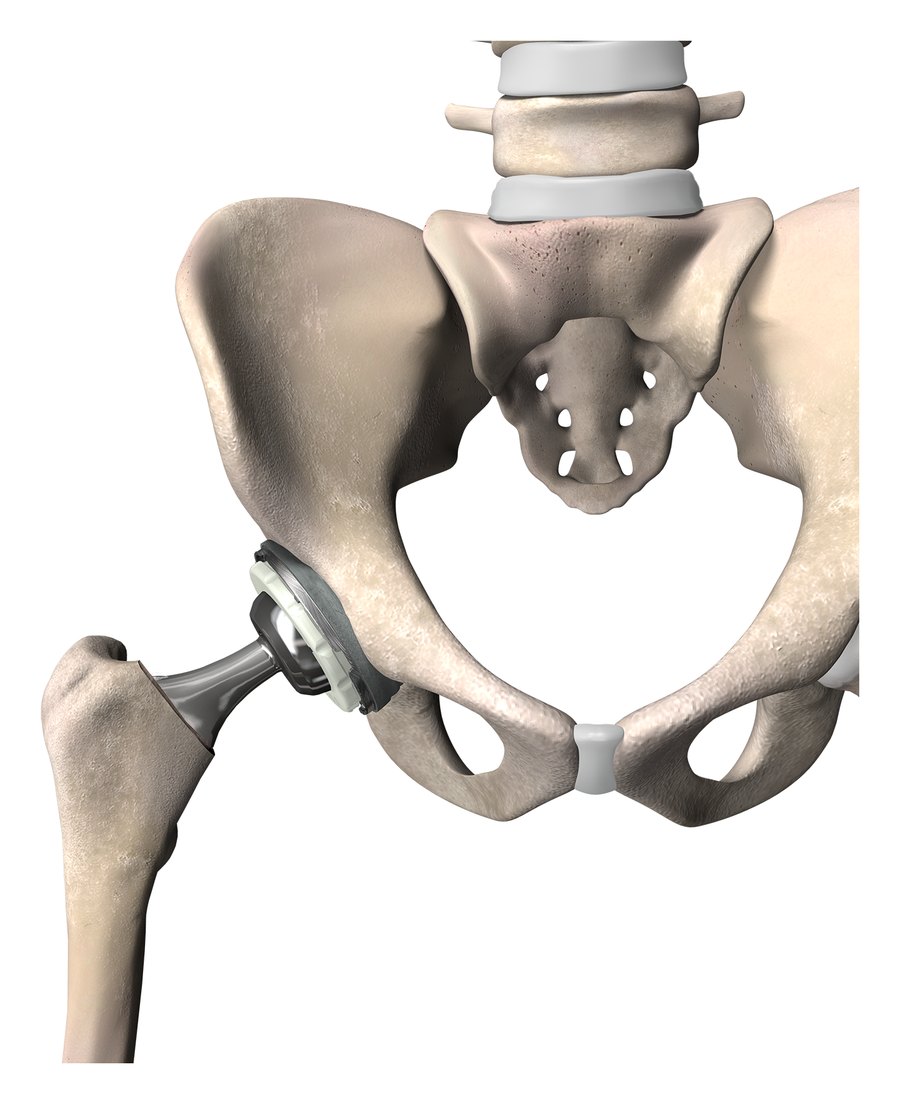
From worn joint to new joint
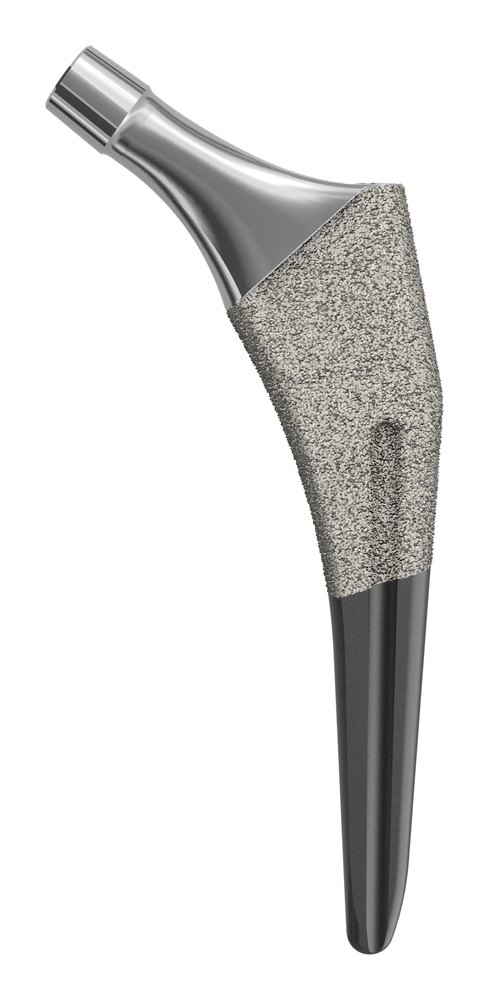
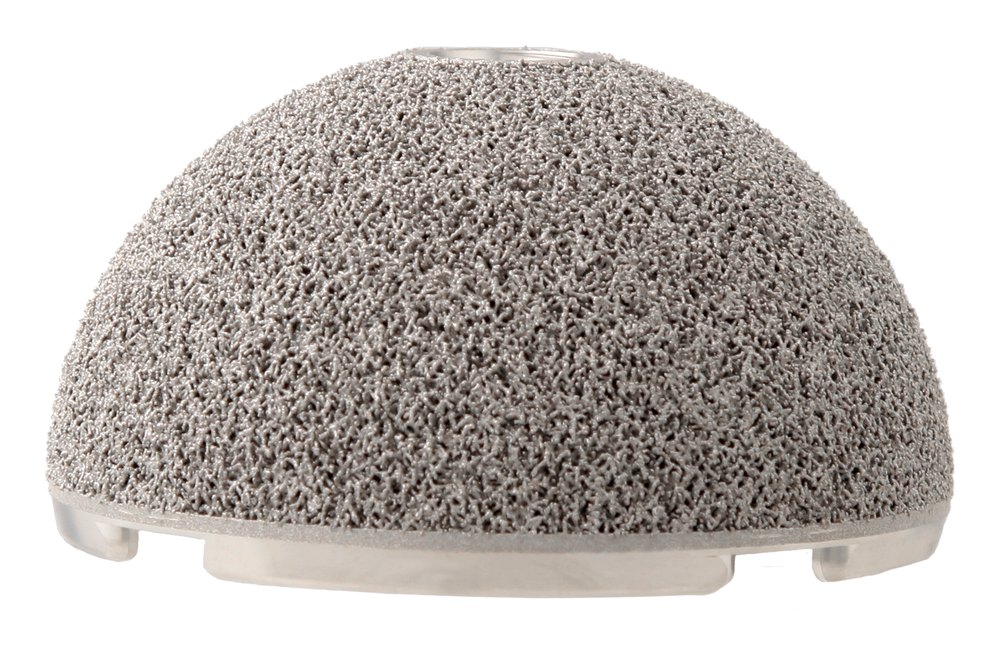
Arthritis wears away the smooth cartilage that cushions the ball-and-socket joint until bone grinds on bone. A total hip replacement resurfaces both sides of the joint so it moves smoothly again.
Hip education articles
The Direct Superior Approach
How a muscle-sparing approach lowers dislocation risk and often eliminates precautions.
Read articleRobotic-Assisted Hip Replacement
CT-based planning, cup accuracy, and leg-length restoration with Mako.
Read articleSame-Day Joint Replacement
Why most surgery-center patients sleep in their own bed the night of surgery.
Read article