
Robotic-Assisted Total Knee Replacement (Mako)
Written and medically reviewed by Rhett MacNeille, MD · Last reviewed August 24, 2026
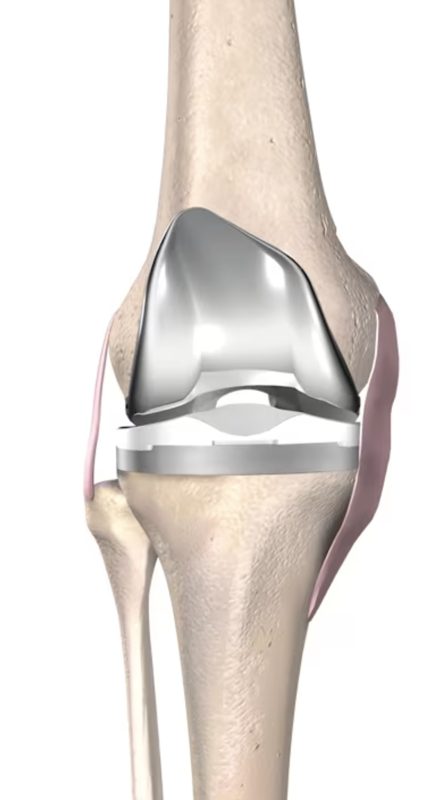
If you are thinking about knee replacement, you may have heard the word "robot" and wondered what it means. Dr. MacNeille performs total knee replacement using the Stryker Mako robotic-arm system, one of the most widely studied robotic platforms in joint replacement. Here is what that means for you.
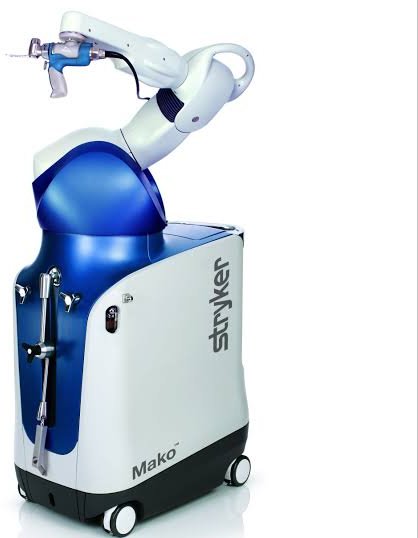
A Personalized 3D Plan Before Surgery
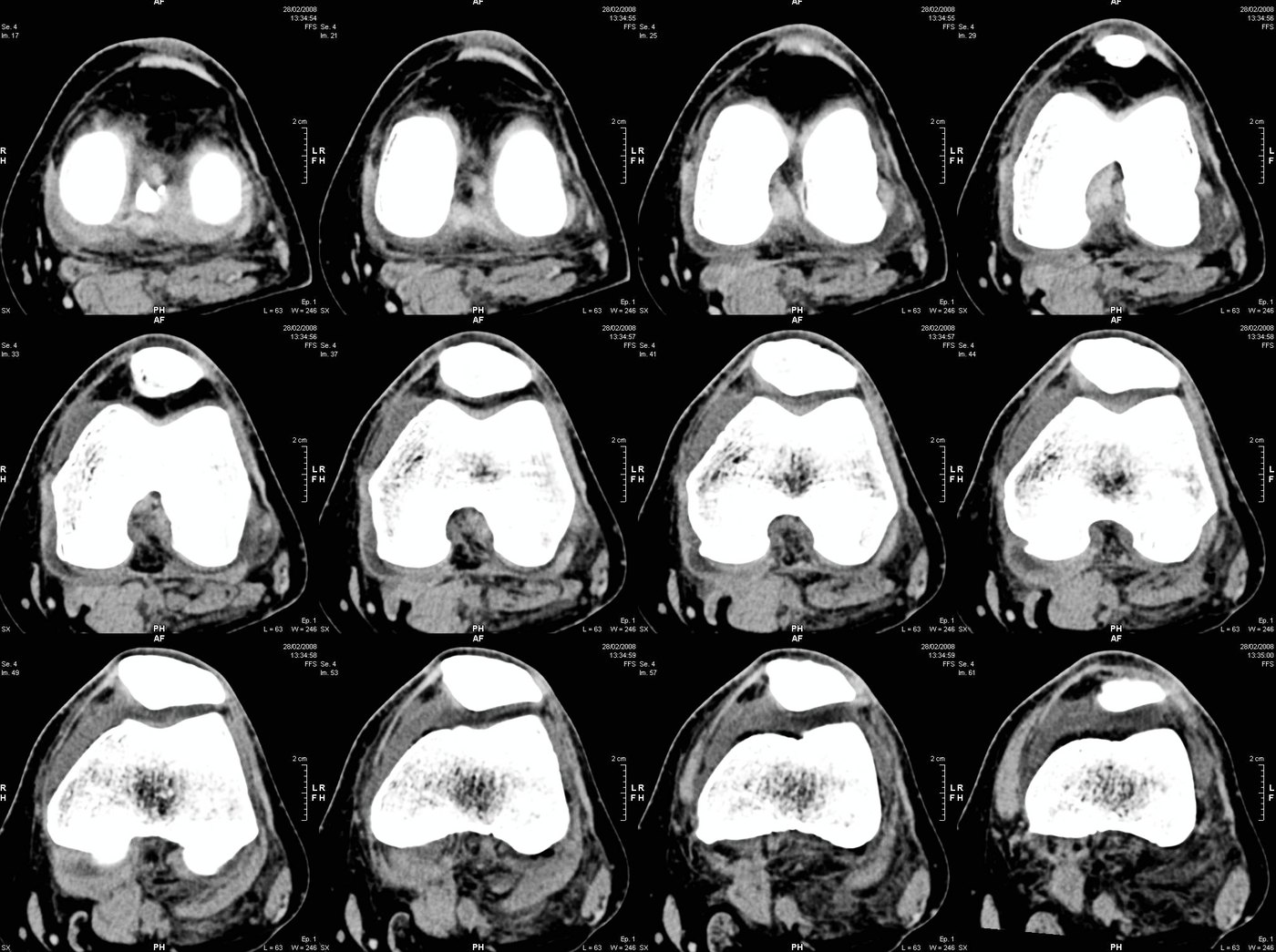
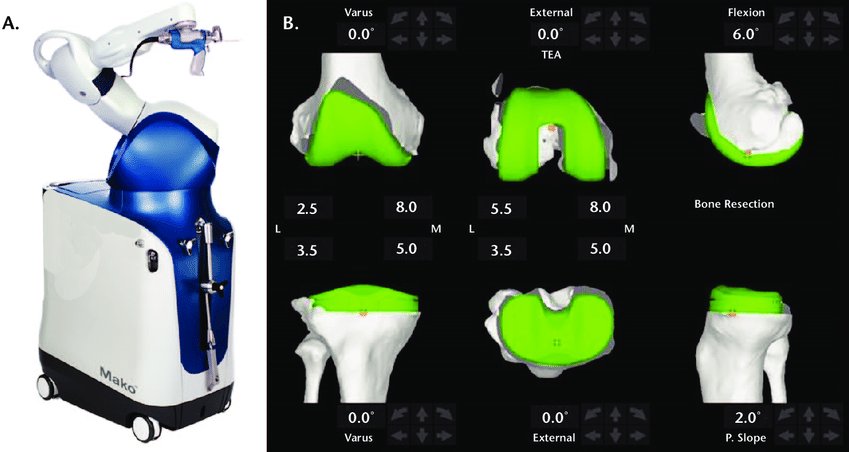
Before your operation, you get a CT scan of your knee. The Mako software turns that scan into a detailed 3D model of your own anatomy. Dr. MacNeille uses this model to plan the exact size and position of your implant before ever making an incision. No two knees are alike, and this planning step lets the surgery be tailored to yours.
Precision You Can Measure
During surgery, the robotic arm guides the bone preparation and stays within "haptic boundaries" — invisible walls that keep the instruments only where they are supposed to go. The results are measurable:
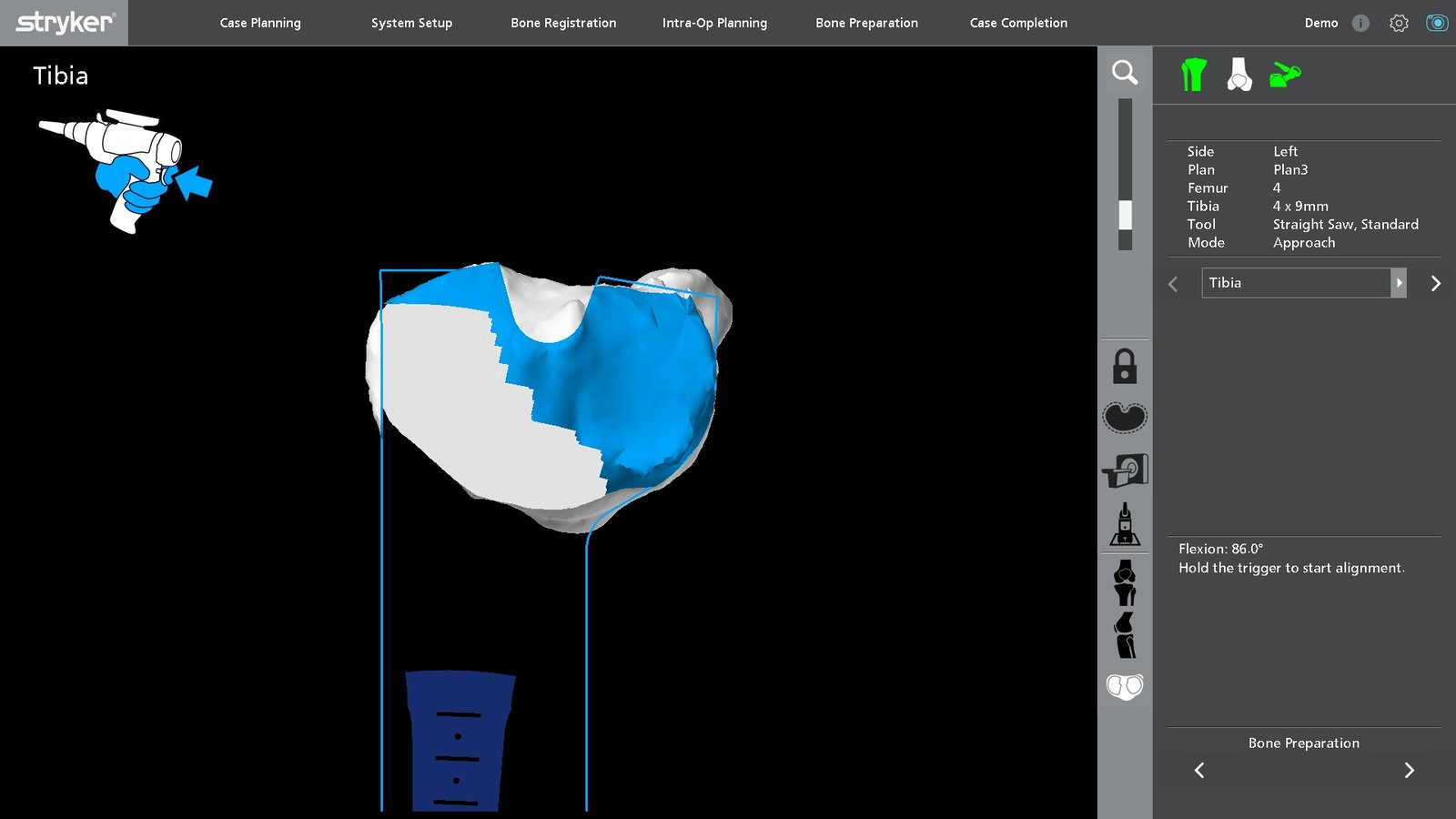
- A 2022 study in the Journal of Orthopaedic Surgery and Research found that over 91% of bone cuts made with the Mako system were within 1 millimeter of the surgical plan, and every knee's alignment landed within 3 degrees of the target.
- A 2021 report in The Journal of Knee Surgery also examined how closely Mako bone cuts match the surgeon's plan, confirming this level of accuracy.
Protecting the Soft Tissues Around Your Knee
Those haptic boundaries do more than guide the cuts. They also help shield the ligaments and other soft tissues around your knee from accidental injury. Many surgeons believe this gentler handling of tissue is one reason patients often feel better sooner.
Less Pain and a Faster Early Recovery
Research suggests real early benefits:
- A 2018 study in The Bone & Joint Journal by Kayani and colleagues found that robotic-arm assisted knee replacement patients had improved early functional recovery and left the hospital sooner than patients who had conventional surgery.
- A 2020 study in Bone & Joint Open found that robotic-assisted patients reported less pain at rest and with activity, used fewer opioid pain medicines, and went home sooner.
What This Means for You
The robot does not perform your surgery — Dr. MacNeille does. The Mako system is a precision tool that helps him execute a personalized plan with a level of accuracy that is difficult to achieve by hand. For many patients, that translates into a smoother start to recovery.
If you have questions about whether robotic-assisted knee replacement is right for you, our office is happy to help you schedule a consultation.
References
- Kayani B, et al. Robotic-arm assisted total knee arthroplasty is associated with improved early functional recovery and reduced time to hospital discharge. The Bone & Joint Journal, 2018.
- Bhimani SJ, et al. Robotic-assisted total knee arthroplasty demonstrates decreased postoperative pain and opioid usage compared to conventional total knee arthroplasty. Bone & Joint Open, 2020.
- Li C, et al. Accuracies of bone resection, implant position, and limb alignment in robotic-arm-assisted total knee arthroplasty. Journal of Orthopaedic Surgery and Research, 2022.
- Sires JD, et al. Accuracy of Bone Resection in MAKO Total Knee Robotic-Assisted Surgery. The Journal of Knee Surgery, 2021.
This article is for general education and is not a substitute for medical advice.
Watch: see it for yourself


Recovery videos courtesy of Dr. Lige Kaplan — Dr. MacNeille’s fellowship director and mentor — whose patients underwent the same minimally invasive techniques Dr. MacNeille uses today. Robotics videos and patient stories from Stryker and partner channels. We will be adding videos of our own patients over time. Browse the full video library →
Ready to talk about your hip or knee? Request an appointment and our team will contact you within 1–2 business days.