
The Quiet Knee Recovery Protocol
Written and medically reviewed by Rhett MacNeille, MD · Last reviewed August 24, 2026
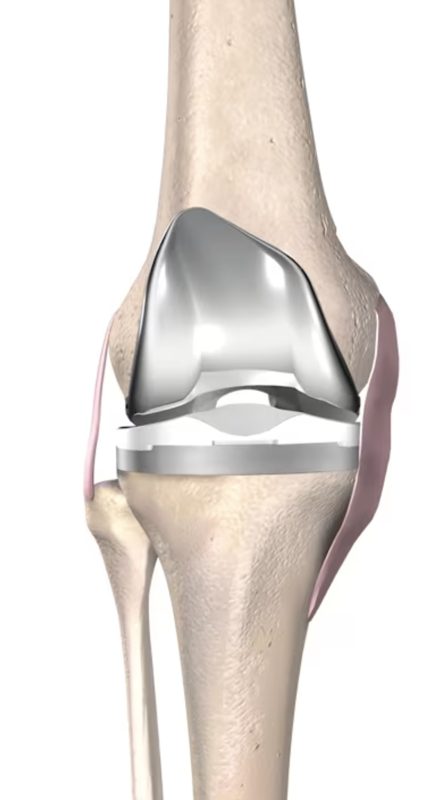
Many people picture knee replacement recovery as "no pain, no gain" — gritting your teeth through aggressive therapy. Dr. MacNeille takes a different approach. He uses what he calls a "quiet knee" recovery protocol: calm the knee down first, and motion will follow.
Why a Calm Knee Recovers Better
After surgery, your knee is inflamed and swollen. That swelling is not just uncomfortable — it actively works against you. Research published in Arthritis Research & Therapy in 2014 by Rice and colleagues showed that fluid in the knee joint changes how the nervous system controls the quadriceps muscle, a problem called arthrogenic muscle inhibition. In plain terms: a swollen knee makes it harder for your thigh muscle to switch on.
A swollen, irritated knee also hurts more, bends less, and tempts patients into a frustrating cycle — pushing hard in therapy, flaring the swelling, losing motion, then pushing even harder. The quiet knee protocol is designed to break that cycle before it starts.
The Pillars of the Quiet Knee
- Control swelling early and often. Elevation, compression, and consistent cold therapy in the first weeks.
- Gentle, progressive motion. Frequent, comfortable movement throughout the day rather than forceful, painful stretching sessions.
- Respect pain as information. Soreness with activity is normal; sharp pain and next-day swelling flares mean the knee is asking you to ease up.
- Progress on your knee's timeline. As inflammation settles, motion and strength come faster — and more comfortably.
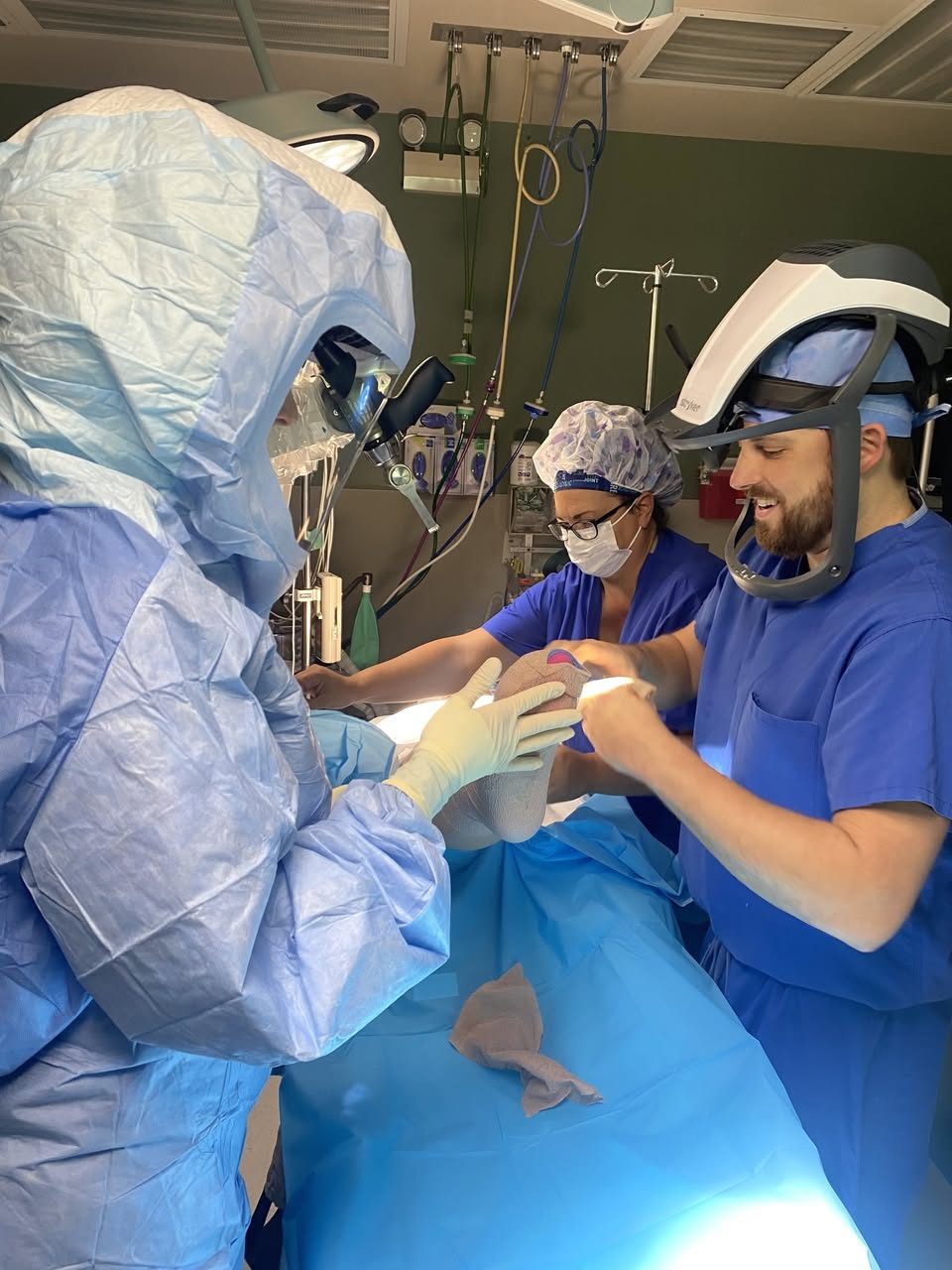
What the Evidence Says About Cold Therapy
Cold therapy (cryotherapy) is a cornerstone of keeping the knee quiet, and it is well studied:
- A 2023 systematic review of randomized trials in Nursing Open found cryotherapy effective at reducing swelling after total knee replacement.
- A 2024 randomized trial in BMC Musculoskeletal Disorders found that patients using compressive cryotherapy had less joint swelling, faster return of knee motion, less pain with activity, and better walking ability at three weeks than patients using standard ice.
- A 2024 comprehensive meta-analysis in Orthopaedic Surgery also supported cryotherapy as a helpful part of rehabilitation after knee replacement.
Gentle Does Not Mean Passive
A quiet knee is not an ignored knee. You will still walk early, work on straightening and bending every day, and advance week by week. The difference is the philosophy: instead of forcing motion through an angry, swollen joint, we lower the inflammation so motion comes more easily. In our experience, patients on this path tend to have fewer pain flares, steadier progress, and a more pleasant recovery.
Partnering With You
Dr. MacNeille and his team will guide you through each phase — what to do, what to expect, and when to progress. If you are considering knee replacement and want a recovery plan built around calming the knee rather than fighting it, contact our office to schedule a consultation.
References
- Rice DA, McNair PJ, Lewis GN, Dalbeth N. Quadriceps arthrogenic muscle inhibition: the effects of experimental knee joint effusion on motor cortex excitability. Arthritis Research & Therapy, 2014.
- Lee M, et al. Effectiveness and methods of cryotherapy in reducing swelling after total knee arthroplasty: A systematic review on randomized controlled trials. Nursing Open, 2023.
- Quesnot A, et al. Randomized controlled trial of compressive cryotherapy versus standard cryotherapy after total knee arthroplasty. BMC Musculoskeletal Disorders, 2024.
- Liang Y, et al. Cryotherapy for Rehabilitation After Total Knee Arthroplasty: A Comprehensive Systematic Review and Meta-Analysis. Orthopaedic Surgery, 2024.
This article is for general education and is not a substitute for medical advice.
Watch: see it for yourself

Recovery videos courtesy of Dr. Lige Kaplan — Dr. MacNeille’s fellowship director and mentor — whose patients underwent the same minimally invasive techniques Dr. MacNeille uses today. Robotics videos and patient stories from Stryker and partner channels. We will be adding videos of our own patients over time. Browse the full video library →
Ready to talk about your hip or knee? Request an appointment and our team will contact you within 1–2 business days.